
Beginning in 2026, SNAP junk food restrictions will take effect in 18 U.S. states after federal approval of state waiver requests, reshaping what millions of low-income Americans can buy with food assistance benefits. The policy shift, approved by the U.S. Department of Agriculture, aims to improve nutrition outcomes while reigniting long-standing debates over personal choice, public health, and the role of government in food policy.
SNAP Update
| Key Fact | Detail |
|---|---|
| States involved | 18 states approved to restrict certain foods under SNAP |
| Start date | Most restrictions begin January 2026 |
| Items affected | Sugary drinks, candy, and select low-nutrition snacks |
| People impacted | Millions of SNAP recipients nationwide |
As states prepare for implementation, SNAP junk food restrictions stand as one of the most consequential changes to U.S. food assistance policy in decades. Whether the initiative improves public health without undermining dignity and access will likely shape the future direction of SNAP well beyond 2026.
What the SNAP Policy Changes Mean
Under the approved waivers, participating states will prohibit the use of SNAP benefits for specific items broadly categorized as low in nutritional value. While the exact lists differ by state, most plans target sugar-sweetened beverages, candy, and highly processed snack foods that contribute calories with limited nutritional benefit.
The Supplemental Nutrition Assistance Program, administered federally by the U.S. Department of Agriculture (USDA) through its Food and Nutrition Service (FNS), currently allows beneficiaries to purchase nearly all food items except alcohol, hot prepared foods, and non-food products. The new waivers mark a significant departure from decades of uniform national rules.
In guidance released alongside the approvals, the USDA said the waivers permit states to “test approaches that better align food assistance with dietary recommendations while preserving access to sufficient calories.” Federal officials stressed that the changes do not reduce benefit amounts and do not restrict access to staple foods such as produce, meat, dairy, grains, and infant formula.
Which States Are Participating to Limit Junk Food Purchases Starting in 2026
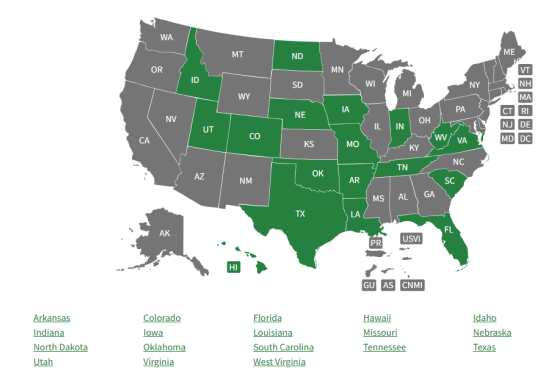
The 18 states approved to implement SNAP junk food restrictions span multiple regions, including the South, Midwest, and Mountain West. They include Texas, Florida, Tennessee, Iowa, Utah, West Virginia, Arkansas, Idaho, Indiana, Nebraska, Missouri, North Dakota, South Carolina, Virginia, Louisiana, Colorado, Oklahoma, and Hawaii, according to USDA records and reporting by Reuters.
State officials emphasized that the details will vary. Some states plan narrow definitions focused almost exclusively on sugary drinks, while others include broader categories of sweets and snack foods. Several states said they will publish final item lists in 2025 after consultations with retailers, nutrition experts, and community groups.
Why States Sought SNAP Junk Food Restrictions
Supporters of the policy argue it reflects growing concern over diet-related disease among low-income Americans. According to the Centers for Disease Control and Prevention (CDC), adults living below the federal poverty line experience higher rates of obesity, Type 2 diabetes, and cardiovascular disease than higher-income populations.
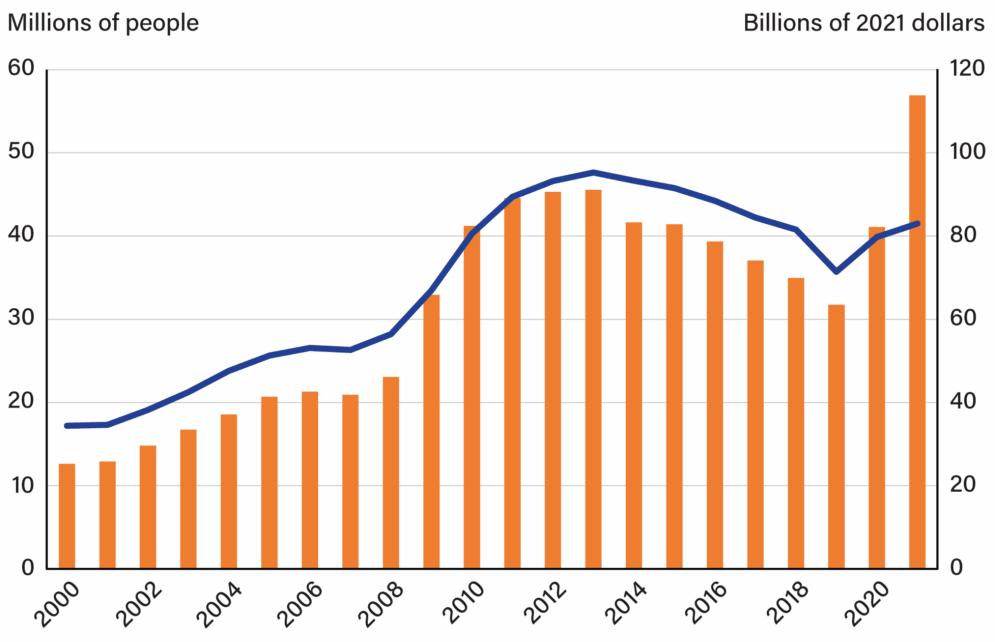
Several governors and state health officials said SNAP, which costs the federal government more than $110 billion annually, should play a stronger role in promoting healthier diets. “This is not about punishment,” one state health secretary said in a public briefing. “It’s about ensuring taxpayer-funded assistance supports long-term health.”
Public health researchers have long debated SNAP’s nutritional impact. Studies cited by the National Academies of Sciences, Engineering, and Medicine have found that while SNAP reduces food insecurity, participants consume more sugar-sweetened beverages on average than non-participants with similar incomes.
“SNAP is a powerful public health lever,” said Dr. Dariush Mozaffarian, a cardiologist and nutrition policy expert at Tufts University, in prior congressional testimony. “The program already shapes food purchasing. The question is whether it should do so intentionally to improve health outcomes.”
Historical Context: Why This Is a Major Shift
For more than two decades, states have periodically asked the federal government for permission to restrict SNAP purchases of soda or junk food. Until recently, those requests were consistently denied by both Democratic and Republican administrations.
The USDA historically argued that Congress designed SNAP to maximize choice and minimize stigma, and that creating state-by-state food rules could complicate administration and undermine the program’s national character.
The recent approvals reflect a change in federal interpretation of waiver authority, allowing states to pilot restrictions as long as they collect data and avoid reducing access to basic nutrition. Policy analysts say the shift also reflects growing bipartisan concern over chronic disease and healthcare costs.
Concerns Over Choice, Stigma, and Access
Anti-hunger advocates have raised strong objections. The Food Research & Action Center (FRAC) and similar groups argue that restricting food choices for SNAP recipients unfairly singles out low-income Americans.
“People with means can buy whatever they want,” said one FRAC policy analyst. “Placing limits only on SNAP households risks reinforcing stigma without addressing structural barriers like food deserts or high prices for healthy food.”
Critics also note that many unhealthy foods remain affordable and heavily marketed, while healthier options often cost more. They argue that nutrition education, higher benefit levels, and incentives for fruits and vegetables may be more effective than restrictions.
Retailers and Technology Challenges
Retailers are also preparing for operational changes. Large grocery chains generally have sophisticated point-of-sale systems capable of flagging eligible and ineligible items, but smaller independent stores may face higher costs.
Industry groups representing convenience stores and rural grocers have warned that frequent product reformulations could create confusion at checkout. For example, beverages with small changes in sugar content could shift in or out of eligibility.
Several states said they are working with retailers to standardize product codes and provide training well ahead of the 2026 launch.
Economic Implications for Food Manufacturers
Food and beverage companies are closely watching the changes. Sugar-sweetened beverages account for billions of dollars in annual sales, including purchases made with SNAP benefits.
Some analysts believe manufacturers may reformulate products to meet eligibility standards, similar to how companies responded to school lunch nutrition rules. Others say the financial impact will be limited, as SNAP accounts for a relatively small share of total sales for major brands.
Still, trade groups have cautioned that inconsistent state rules could disrupt supply chains and labeling practices.
Federal Oversight and Legal Safeguards
USDA officials said the waivers include strict oversight conditions. States must track purchasing patterns, administrative costs, retailer compliance, and participant satisfaction. The agency retains authority to revoke waivers if states fail to meet reporting requirements or if access to food is compromised.
Legal experts say challenges are possible but uncertain. Congress has not amended SNAP law directly, leaving the waiver approvals vulnerable to future administrative or judicial review.
90% VA Disability COLA Increase in 2026: Check Payment Schedule and Eligibility
International Comparisons
The U.S. is not alone in linking food assistance to nutrition. Several countries, including Brazil and Mexico, incorporate nutritional standards into social welfare food programs. In the United Kingdom, however, cash-based benefits generally do not restrict food choices.
Policy researchers say international evidence is mixed, underscoring the importance of rigorous evaluation of the U.S. pilots.
FAQs About 18 States Plan to Limit Junk Food Purchases Starting in 2026
What foods will be banned nationwide?
There is no single national ban. Each participating state defines restricted items under its approved waiver.
Will healthy foods be affected?
No. Fruits, vegetables, meat, dairy, grains, and infant foods remain eligible.
Does this reduce SNAP benefit amounts?
No. Benefit levels remain unchanged.
Will other states adopt similar rules?
Possibly. Several states have signaled interest, though federal officials have not announced additional approvals.