
A U.S. state will move forward on January 1 with SNAP limits on sugary drinks and candy, restricting how Supplemental Nutrition Assistance Program benefits can be spent. The policy, approved under a federal waiver process, seeks to improve nutrition outcomes among low-income households while intensifying a long-running national debate over public health priorities, consumer choice, and the scope of government authority in food assistance programs.
SNAP Limits on Sugary Drinks and Candy
| Key Fact | Detail |
|---|---|
| Program affected | Supplemental Nutrition Assistance Program (SNAP) |
| Effective date | January 1 |
| Items restricted | Sugary drinks, candy (definitions vary) |
| Federal authority | Waivers approved by USDA |
| Benefits reduced | No |
What the Policy Does—and How It Works
Beginning January 1, SNAP recipients in the state will no longer be able to use electronic benefit transfer (EBT) cards to purchase sugary drinks and candy at authorized retailers. The change applies only to SNAP-funded transactions; recipients may still buy restricted items using cash or other forms of payment.
The policy is made possible through a waiver granted by the U.S. Department of Agriculture, which administers SNAP through its Food and Nutrition Service (FNS). While SNAP rules are set federally, states have authority to administer benefits and may request waivers to test alternative approaches, provided they meet statutory goals and federal oversight requirements.
State officials say the restriction is designed to better align SNAP purchasing rules with federal dietary guidance, including recommendations from the Dietary Guidelines for Americans, which advise limiting added sugars to less than 10 percent of daily caloric intake.
“This waiver allows us to promote healthier food choices without reducing benefits or eligibility,” a senior state health official said in a written statement announcing the January rollout. “The intent is to strengthen the program’s nutrition mission while preserving food access.”
Federal Context: Why Waivers Matter
SNAP serves more than 40 million Americans nationwide and is among the federal government’s largest nutrition assistance programs. Under federal law, SNAP benefits may not be used to purchase alcohol, tobacco, hot prepared foods, or non-food items. Beyond those exclusions, most food items have historically been eligible, regardless of nutritional value.
For decades, policymakers have debated whether SNAP should impose additional nutrition-based restrictions. The USDA has generally resisted broad exclusions, citing concerns about administrative complexity, retailer burden, and the potential stigmatization of beneficiaries.
However, federal rules allow states to seek demonstration waivers to test new approaches. To gain approval, states must show that restrictions are clearly defined, technologically feasible for retailers, and consistent with SNAP’s core purpose of improving food security and nutrition.
USDA officials have said waiver approvals do not signal a nationwide policy change, but rather allow limited, state-specific pilots whose outcomes can inform future decisions.Supporters’ Case: Public Health and Program Integrity
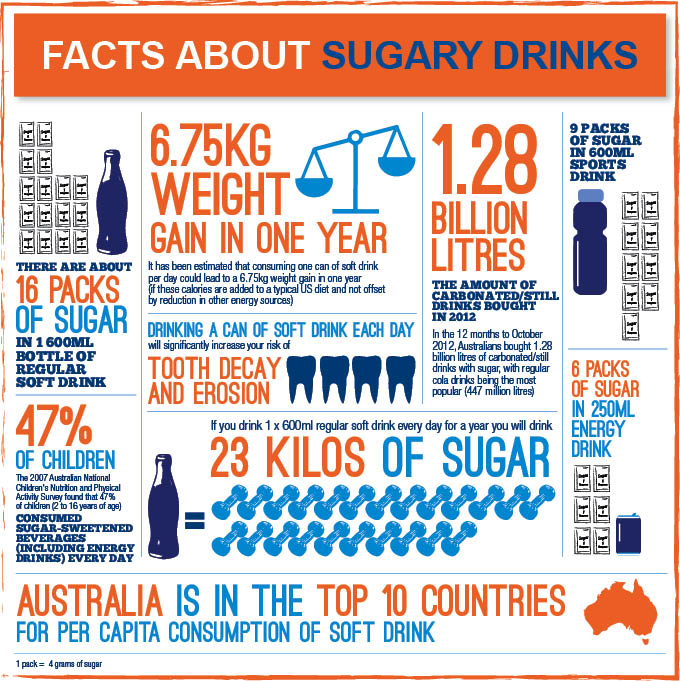
Supporters of the policy argue that sugary drinks and candy contribute little nutritional value while accounting for a significant share of added sugar consumption in the United States. Multiple studies published in peer-reviewed journals have linked sugar-sweetened beverage intake to increased risks of obesity, Type 2 diabetes, cardiovascular disease, and dental decay.
Public health advocates note that low-income populations, including SNAP recipients, experience disproportionately high rates of diet-related illness. According to data from the Centers for Disease Control and Prevention, adults living below the poverty line are significantly more likely to suffer from obesity and diabetes than higher-income counterparts.
“SNAP is not just an anti-hunger program; it is also a nutrition program,” said a nutrition policy researcher at a large public university. “If public funds are being used to support food purchases, there is a reasonable argument that those funds should reinforce, not undermine, health goals.”
Supporters also emphasize that the policy does not reduce benefit amounts, tighten eligibility rules, or mandate specific food choices. Instead, they frame the change as a targeted exclusion of products widely recognized as unhealthy.
Critics’ Concerns: Choice, Stigma, and Implementation
Critics argue that the restrictions risk singling out SNAP recipients in ways that could deepen stigma and erode trust in the program. Anti-hunger organizations have long maintained that low-income households should have the same freedom of choice as other consumers.
“Food assistance works best when it respects dignity,” said a policy director at a national anti-hunger advocacy group. “Targeting specific foods can create confusion, frustration at checkout, and the perception that people using SNAP are being judged for their choices.”
Retailers have also expressed concerns about operational complexity. Grocery stores rely on detailed product databases to determine SNAP eligibility at the point of sale. Adding new exclusions requires software updates, staff training, and ongoing monitoring to ensure compliance.
Industry groups warn that inconsistencies across states could create confusion for national chains operating in multiple jurisdictions, particularly if definitions of restricted items vary.
How Items Are Defined
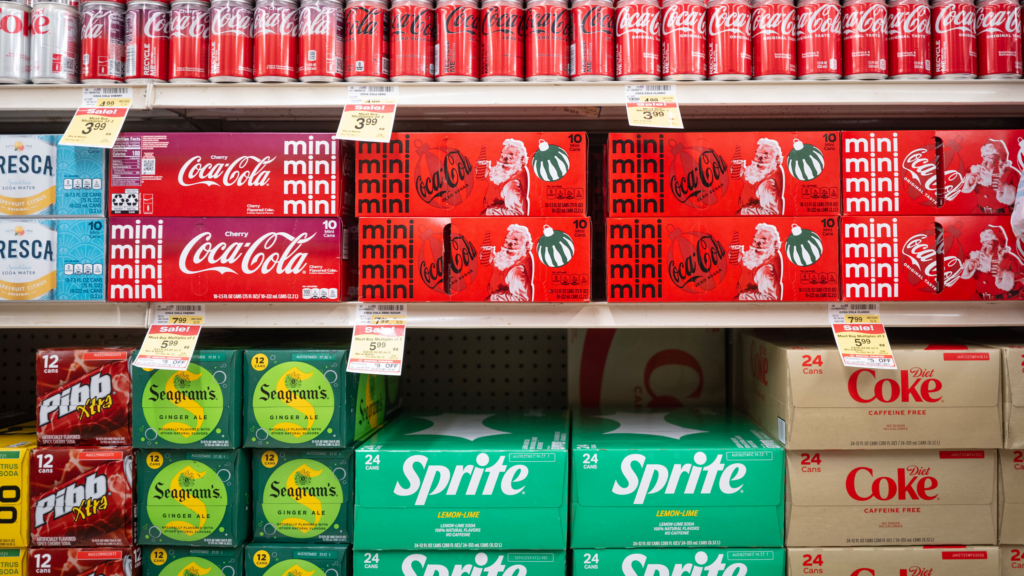
Under the state’s waiver, “sugary drinks” are defined as beverages containing added caloric sweeteners, including sodas, sweetened teas, certain sports drinks, and energy drinks. Drinks sweetened exclusively with non-caloric sweeteners may or may not be included, depending on final guidance.
Candy is defined as confectionery products made primarily from sugar, chocolate, or other sweeteners, including gummies, hard candies, and chocolate bars. Baked goods such as cookies and cakes are not universally restricted and may remain eligible depending on formulation.
State officials say detailed product lists and retailer guidance will be issued before implementation to reduce confusion and ensure consistent enforcement.
Historical Efforts and Policy Precedents
The idea of restricting sugary drinks in SNAP is not new. New York City famously sought federal approval in 2010 to bar soda purchases using SNAP benefits, but the request was denied by the USDA, which cited insufficient evidence and concerns over administrative feasibility.
Since then, several states have renewed efforts, arguing that advances in retail technology and stronger evidence on sugar’s health effects warrant reconsideration. Some cities and states have also implemented soda taxes and marketing restrictions aimed at reducing consumption.
The current waiver reflects a broader shift toward allowing states greater flexibility in shaping SNAP policies, particularly under administrations emphasizing state-led experimentation.
Economic and Retail Impact
Economists say the direct economic impact on retailers is likely to be modest, as SNAP purchases of sugary drinks and candy represent a small fraction of total grocery sales. However, for convenience stores and small retailers that rely heavily on beverage sales, the effects could be more noticeable.
“There may be short-term adjustments,” said a food policy economist. “But consumer behavior tends to adapt quickly, especially when substitutes are readily available.”
Some analysts suggest the policy could encourage manufacturers to reformulate products to meet eligibility standards, potentially reducing sugar content to maintain SNAP compatibility.
Equity and Access Considerations
Supporters and critics alike agree that food access remains a critical concern. Many low-income neighborhoods face limited availability of fresh produce and healthy options, often described as food deserts.
Advocates caution that restricting certain items without expanding access to affordable, nutritious alternatives could have limited health benefits. State officials say complementary initiatives, including nutrition education and retailer incentives, are being explored.
January 2026 Social Security Payment Dates: Check Exact Dates When Payments Will Be Sent
What Happens Next After SNAP Limits on Sugary Drinks and Candy
In the months leading up to January 1, the state plans to conduct outreach to SNAP recipients, retailers, and advocacy groups. This includes updated EBT notices, in-store signage, and customer service training.
The USDA will require the state to evaluate the waiver’s effects, including changes in purchasing patterns, administrative costs, and potential health outcomes. Results could influence whether the waiver is extended, modified, or replicated elsewhere.
“This is a closely watched policy experiment,” the nutrition policy researcher said. “Its success or failure will shape future debates about the role of SNAP in public health.”
FAQs About SNAP Limits on Sugary Drinks and Candy
Does this reduce SNAP benefit amounts?
No. The policy does not change benefit levels or eligibility.
Can recipients still buy restricted items with cash?
Yes. The restrictions apply only to SNAP-funded purchases.
Will this apply nationwide?
No. SNAP is federal, but item restrictions require state-specific waivers.
Are diet sodas included?
That depends on final state guidance, which will clarify how sweeteners are classified.