
Florida SNAP payments are continuing this week as part of the state’s regular December distribution cycle, providing food assistance to eligible households across the state. Florida SNAP payments are issued on a staggered schedule tied to each household’s case number, a system designed to manage volume and ensure consistent access to benefits throughout the month.
The ongoing deposits reflect standard operating procedures rather than delays or disruptions. Each month, millions of Florida residents rely on SNAP benefits to help cover food costs, making the program one of the state’s most significant social safety nets.
Florida SNAP Payments
| Key Fact | Detail |
|---|---|
| Program | Supplemental Nutrition Assistance Program (SNAP) |
| Distribution Window | December 1–28 |
| Payment Method | Electronic Benefits Transfer (EBT) |
These key facts anchor how SNAP functions in Florida and explain why payments are still being issued well into the month. Unlike one-day distribution systems, Florida’s extended window is intentional and longstanding.
How Florida SNAP Payments Are Issued
Florida administers SNAP through the Department of Children and Families (DCF), following federal rules established by the U.S. Department of Agriculture (USDA). While SNAP is federally funded, states are responsible for eligibility determinations, benefit calculations, and payment schedules.
Benefits are deposited monthly onto Electronic Benefits Transfer cards, commonly referred to as EBT cards. These cards function similarly to debit cards and can be used at authorized grocery stores, supermarkets, and farmers’ markets to purchase eligible food items.
Unlike some states that issue SNAP benefits on a single fixed date, Florida uses a case-number-based distribution system. The final two digits of a household’s case number, read in reverse order, determine the specific day benefits are deposited.
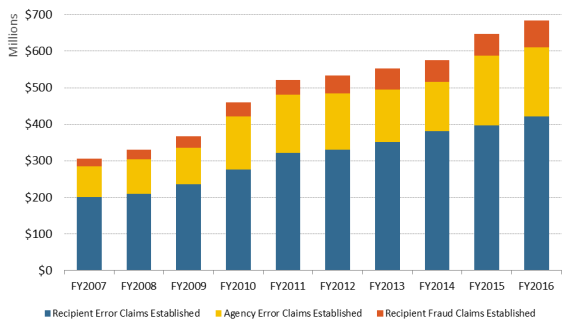
This staggered system serves multiple purposes. Administratively, it reduces system congestion by spreading transactions across nearly four weeks. Economically, it helps retailers manage inventory and staffing. For recipients, it creates predictability once the assigned date is known.
State officials note that unless a household’s case information changes, the payment date typically remains consistent from month to month.
Why Florida SNAP Payments Are Still Ongoing This Week
Because Florida SNAP payments are staggered, many households receive benefits well after the start of the month. Payments continuing this week are not delayed or exceptional; they are part of the normal schedule established by state policy.
Households with higher reversed case numbers are expected to receive benefits later in the month. This structure often leads to confusion among recipients who may see others receive benefits earlier and assume an issue has occurred.
State officials consistently emphasize that recipients should expect benefits only on their assigned day, even if neighbors, relatives, or coworkers receive deposits earlier.
“Florida’s SNAP schedule is designed to ensure predictability and fairness,” a DCF spokesperson has previously stated. “Payments continue throughout the month by design, not by exception.”
Understanding this structure is especially important during months with heightened financial pressure, such as December.
Importance of SNAP During Winter Months
SNAP plays a critical role in supporting food security year-round, but its importance increases during winter months. Household budgets are often strained by higher utility bills, transportation costs, and seasonal expenses related to holidays and school breaks.
For families with children, SNAP helps stabilize access to food when school meals are unavailable during winter recess. For seniors and individuals with disabilities, benefits can be essential in maintaining consistent nutrition when mobility or fixed incomes limit options.
Nutrition policy experts have long observed that predictable SNAP access reduces food insecurity, improves dietary stability, and lowers reliance on emergency food pantries.
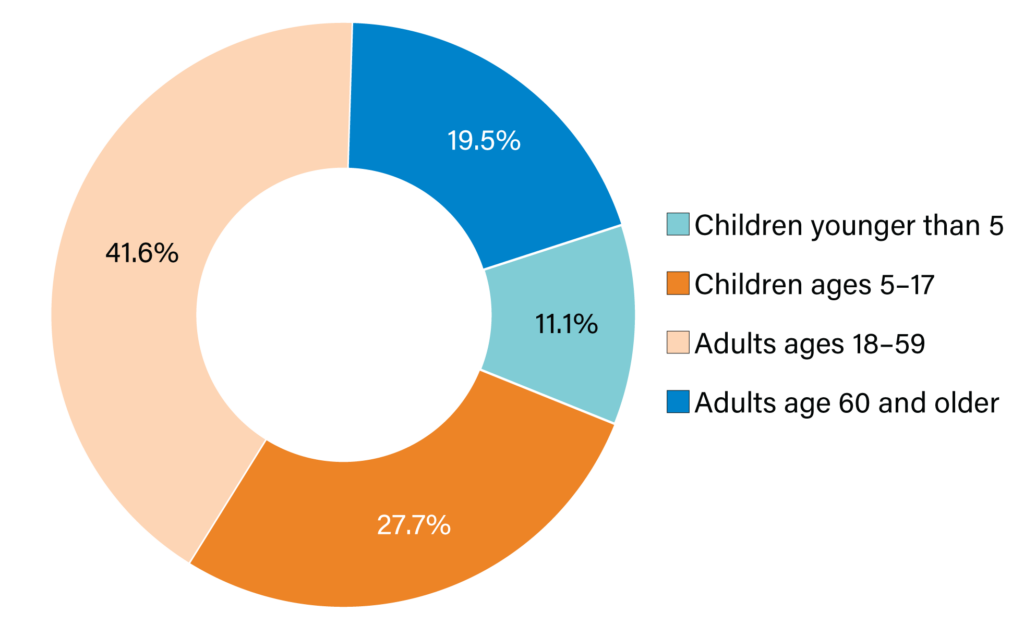
Contrary to common misconceptions, many SNAP recipients are employed. The program often supplements low wages rather than replacing earned income, particularly in service and care industries.
Economic Impact Beyond Households
Beyond individual recipients, SNAP has measurable economic effects at the local and state level. Benefits are spent quickly, typically within days of deposit, circulating money directly into local grocery stores and food suppliers.
Economists frequently describe SNAP as one of the most effective economic stabilizers during periods of financial stress. Because benefits are restricted to food purchases, spending is targeted and predictable.
Retailers in both urban and rural Florida communities rely on SNAP transactions as a steady source of revenue, particularly in areas with limited economic activity. Small grocers and neighborhood markets are often among the most impacted beneficiaries of consistent SNAP distribution.
How Benefit Amounts Are Determined
While payment timing follows a fixed schedule, benefit amounts vary by household. SNAP benefit levels are calculated using a standardized federal formula that considers:
- Household size
- Countable income
- Certain allowable deductions, such as housing and medical expenses
Maximum benefit levels are adjusted periodically to reflect changes in food costs. However, most households receive less than the maximum allotment, depending on income and expenses.
Changes in income, employment status, or household composition can affect benefit amounts and payment dates. Recipients are required to report certain changes to maintain eligibility.
How Recipients Can Check Their Benefit Status
Florida SNAP recipients can confirm whether their benefits are due by using several official channels:
- Checking their EBT card balance through automated phone systems or official card portals
- Reviewing official DCF correspondence, which includes payment information and case updates
- Contacting DCF customer service if a payment does not appear on the scheduled date
Benefits typically become available shortly after midnight on the assigned day, though processing times can vary depending on banking systems and transaction volume.
If a benefit does not appear as expected, recipients are encouraged to wait at least 24 hours before reporting an issue, as processing delays can occasionally occur.
Common Reasons for Payment Issues
While most payments arrive as scheduled, several factors can affect SNAP deposits:
- Pending case recertification
- Missing or incomplete documentation
- Reported income changes under review
- Administrative processing delays
In many cases, issues can be resolved by confirming case status with DCF or submitting requested documents promptly.
Advocates emphasize that recipients should respond quickly to official notices, as unresolved issues can result in delayed or suspended benefits.
Even With COLA Increases, Many Retirees Still Feel Financial Pressure — Here’s Why
Looking Ahead
As Florida SNAP payments continue through the remainder of December, state officials report that the program is operating under standard procedures. No changes to eligibility rules or distribution timelines have been announced for the remainder of the month.
Looking into the new year, SNAP administrators typically conduct annual updates related to income thresholds, reporting requirements, and benefit calculations. Any such changes are communicated directly to recipients through official notices.
Policy analysts note that SNAP remains a central component of the nation’s food assistance framework, particularly during periods of economic uncertainty. For Florida households, the program’s reliability is often as important as the benefit amount itself.
As December distributions progress, recipients are advised to monitor their assigned dates, maintain updated case information, and rely on official state communications for guidance.
FAQs About Florida SNAP Payments
When do Florida SNAP payments end this month?
Florida SNAP payments typically conclude on December 28, depending on case number assignments.
Are payments delayed if they arrive later in the month?
No. Payments later in the month reflect the normal staggered distribution schedule.
Do holidays affect SNAP deposit dates?
In most cases, no. SNAP deposits are automated and generally not delayed by weekends or holidays.
Can payment dates change from month to month?
Payment dates usually remain consistent unless a household’s case number or eligibility status changes.