

Millions of Americans will receive December 24 Social Security checks this year as the federal payment calendar shifts around the Christmas holiday. The early payment affects specific retirees, disabled workers, and survivors, depending on birth date and enrollment timing, according to the Social Security Administration (SSA).
December 24 Social Security Checks
| Key Fact | Detail |
|---|---|
| Payment Date | Wednesday, December 24 |
| Who Is Paid | Birthdays from 21st–31st |
| Average Retirement Benefit | About $2,000 monthly |
| SSI Included? | No |
| Official Website | Social Security Administration |
Who Receives December 24 Social Security Checks
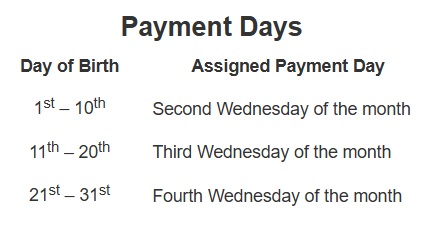
The December 24 Social Security checks are issued to beneficiaries whose birthdays fall between the 21st and 31st of any month.
Under the SSA’s long-standing payment system, most individuals who began receiving benefits after May 1997 are paid on a Wednesday determined by their birth date. This staggered schedule helps spread payments across the month, reducing administrative bottlenecks and ensuring smoother processing for financial institutions.
In December, the fourth Wednesday falls on Christmas Eve, prompting questions from beneficiaries who may not expect a deposit on that date. Despite the holiday proximity, the payment is considered a regular monthly benefit rather than an advance or bonus.
This schedule applies to:
- Retired workers
- Social Security Disability Insurance (SSDI) recipients
- Survivor benefit recipients
“The Wednesday payment schedule has been in place for decades and remains the backbone of monthly benefit distribution,” the SSA explains in its official payment calendar.
Who Will Not Be Paid on December 24
Not all Social Security recipients receive payments on December 24, even during years when Christmas alters the calendar.
People who started receiving benefits before May 1997 are paid on the third day of each month, regardless of birth date. That group typically includes some of the oldest beneficiaries and long-term recipients who were grandfathered into the earlier system.
Recipients of Supplemental Security Income (SSI) follow a separate payment structure. SSI benefits are needs-based and funded through general tax revenues rather than payroll taxes. As a result, SSI payments are typically issued on the first of the month, unless that date falls on a weekend or federal holiday.
For January, SSI payments are sent December 31, because New Year’s Day is a federal holiday. According to the SSA, this is an advance payment, not an extra one.
Dual beneficiaries—those receiving both SSI and Social Security retirement or disability benefits—generally receive two separate payments on different dates.
How Much Will December 24 Social Security Checks Payments Be?
Payment amounts for December 24 Social Security checks vary significantly based on lifetime earnings, retirement age, and benefit category.
As of late 2025:
- The average retirement benefit is roughly $2,000 per month, according to SSA data.
- The maximum retirement benefit for someone retiring at full retirement age with a long history of high earnings exceeds $5,000 per month.
- The average SSDI benefit is lower, reflecting shorter or interrupted work histories caused by disability.
- Survivor benefits depend on the deceased worker’s earnings record and the survivor’s age and relationship.
All 2025 benefits already include the annual cost-of-living adjustment (COLA), which is designed to help payments keep pace with inflation. The COLA is calculated using changes in the Consumer Price Index for Urban Wage Earners and Clerical Workers (CPI-W).
The adjustment is applied automatically, and beneficiaries do not need to take any action to receive it.
Why the Date Falls on Christmas Eve
Federal law requires Social Security payments to be issued early when a scheduled payment date falls on a federal holiday or weekend.
Although Christmas Eve itself is not always classified as a federal holiday, many government offices operate on limited schedules, and financial institutions adjust processing timelines accordingly. When a conflict occurs, the SSA issues payments on the preceding business day.
Because December 25 is a federal holiday, payments scheduled for that week are processed electronically on December 24.
“Direct deposit ensures beneficiaries receive their payments without interruption, even during holiday periods,” the SSA notes in its guidance to recipients.
Paper checks, which are now used by a small minority of beneficiaries, may arrive slightly earlier or later depending on mail delivery schedules.
The Broader Role of Holiday Timing in Social Security
Holiday-related payment adjustments are a routine but often misunderstood part of the Social Security system.
Each year, several months require modified payment dates due to federal holidays such as New Year’s Day, Independence Day, Thanksgiving, and Christmas. These adjustments are published well in advance in the SSA’s annual calendar.
Policy experts note that while early payments can be helpful for household budgeting, they can also create confusion if recipients mistake them for additional income.
“Any time payments shift, beneficiaries should remember that it’s a timing change, not a benefit increase,” said a former SSA policy analyst familiar with payment operations.
Consumer advocates encourage recipients to plan carefully, especially when an early payment must last longer than usual until the next deposit arrives.
How December 24 Social Security Checks Are Delivered and Processed
More than 99 percent of Social Security beneficiaries now receive their payments electronically, either through direct deposit or the Direct Express debit card program.
Electronic payments are typically deposited overnight and are available in recipients’ accounts by the morning of the payment date. However, posting times can vary by bank or credit union.
The SSA advises beneficiaries to wait three business days before reporting a missing payment. Delays are often caused by banking issues rather than problems at the agency itself.
Recipients can check payment status, verify dates, and update banking information through their my Social Security online account.
Common Misunderstandings About December Payments
The December payment schedule frequently generates questions and misconceptions, particularly during years when multiple payments appear close together.
Some beneficiaries mistakenly believe they have received a bonus or duplicate payment when two deposits arrive in December. In reality, one of those payments often represents an advance for January SSI benefits.
Financial counselors stress the importance of understanding the payment calendar to avoid unintentional overspending.
“This is especially important for seniors and people with disabilities who live on fixed incomes,” said a nonprofit financial advisor who works with older adults.
What Beneficiaries Should Know
Beneficiaries receiving December 24 Social Security checks should keep several practical points in mind:
- The payment is not extra income and must last until the next scheduled deposit.
- Budgeting may be more challenging if expenses rise during the holiday season.
- Any changes to banking information should be made well before the payment date to avoid delays.
The SSA encourages recipients to rely on official communications and its website rather than third-party sources for payment information.
Looking Ahead to 2026 Payments
After December, the Social Security payment calendar resets to its normal rhythm in January and February.
January SSI payments are issued December 31, while regular Social Security retirement and disability payments resume on their scheduled Wednesdays in January.
Future COLA announcements, typically released in the fall, will determine benefit levels for the following year. Lawmakers continue to debate the long-term financial health of the Social Security Trust Funds, though no immediate changes to monthly payments are expected.
What Comes Next After December 24 Social Security Checks
The next significant payment event will occur at the end of December, when SSI recipients receive their early January payment. For most other beneficiaries, February payments will follow the standard Wednesday schedule.
“Understanding your payment date is one of the simplest ways to reduce stress during the holidays,” the SSA advises in its public guidance.
FAQs About December 24 Social Security Checks
Why did I get my Social Security check on December 24?
Your birthday likely falls between the 21st and 31st, placing you in the fourth Wednesday payment group.
Is this an extra payment?
No. It is your regular December benefit, issued early because of the Christmas holiday.
Does this affect taxes or future benefits?
No. Payment timing does not change benefit amounts, tax treatment, or future eligibility.
What should I do if I don’t receive my payment?
Wait three business days, then contact the SSA or your financial institution.