
U.S. regulators have issued an FDA frozen shrimp recall affecting tens of thousands of packages nationwide after routine import testing raised concerns about possible radioactive contamination, prompting retailers to remove products from shelves while authorities assess potential health risks and review oversight of the global seafood supply chain.
FDA Food Recall
| Key Fact | Details |
|---|---|
| Product recalled | Frozen raw shrimp, multiple brands |
| Contamination concern | Possible cesium-137 exposure |
| States affected | Up to 17 U.S. states |
| Illnesses reported | None confirmed as of publication |
The FDA said further updates will be issued if additional products are implicated or if testing reveals elevated risk. For now, officials say existing safeguards worked by preventing potentially contaminated food from remaining on store shelves.
What Triggered the FDA Frozen Shrimp Recall
The recall was announced by the U.S. Food and Drug Administration (FDA) after routine screening of imported seafood identified irregular radiation readings in shipments of frozen shrimp sourced from Indonesia.
According to the agency, the shrimp may have been exposed to cesium-137, a radioactive isotope that can enter food products through contaminated water, sediment, or processing environments. While follow-up testing found that most samples fell below federal action levels, regulators said the recall was initiated “out of an abundance of caution.”
The products were distributed by Direct Source Seafood LLC and sold under several private-label brands at grocery chains across the Midwest, Northeast, and parts of the West Coast.
“The FDA uses a risk-based approach when monitoring imports,” an agency spokesperson said. “When data suggests even a potential hazard, we act to prevent exposure before consumers are affected.”

What Is Cesium-137 and Why It Matters
Cesium-137 is a man-made radioactive element produced during nuclear fission. It is commonly associated with nuclear accidents, weapons testing, and improper disposal of radioactive waste. Once released into the environment, it can persist for decades due to its 30-year half-life.
In aquatic environments, cesium-137 can bind to sediment and be absorbed by marine organisms, including shrimp. Human exposure typically occurs through ingestion rather than external contact.
“Radiation exposure from food is usually very low, but repeated consumption of contaminated products can increase long-term cancer risk,” said Dr. Stephen Browning, a professor of environmental health at Texas A&M University. “The key variables are concentration, frequency, and duration.”
The FDA emphasized that no shrimp tested above levels requiring emergency action and that no acute health effects are expected from short-term exposure.
How the Shrimp Entered U.S. Stores
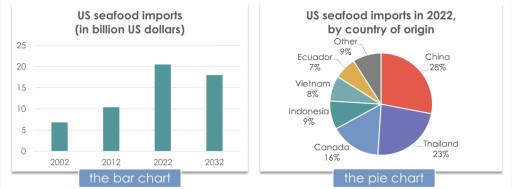
More than 90 percent of seafood consumed in the United States is imported, according to data from the National Oceanic and Atmospheric Administration (NOAA). Shrimp is the most popular seafood in the country, accounting for billions of dollars in annual sales.
Imports are screened at ports of entry, but only a small percentage undergo physical testing. The FDA relies on risk profiles, past compliance history, and intelligence from international partners to decide which shipments receive additional scrutiny.
In this case, enhanced monitoring was reportedly triggered after unrelated seafood imports from the same region showed environmental irregularities, prompting closer inspection.
“Testing every shipment is not feasible,” said Dr. Darin Detwiler, a food safety expert and professor at Northeastern University. “The system depends on identifying signals early and responding quickly when something appears off.”
Industry and Retail Response
Retailers that carried the recalled shrimp said they removed the products immediately upon notification and initiated refund procedures. Several grocery chains issued customer alerts through store signage and loyalty program emails.
Direct Source Seafood LLC said it is cooperating fully with regulators and conducting an internal review of its supplier network.
“We take food safety extremely seriously,” the company said in a statement. “We are working with exporters and independent laboratories to ensure all products meet U.S. safety standards before distribution.”
Industry groups stressed that the recall reflects the system working as intended rather than a widespread breakdown.
“This is a targeted recall, not an industry-wide issue,” said Gavin Gibbons, spokesperson for the National Fisheries Institute. “Seafood remains one of the most highly regulated food categories.”
Consumer Reaction and Public Trust
Despite reassurances, recalls involving radiation often generate heightened public concern. Consumer advocacy groups note that radioactive contamination, even at low levels, carries emotional weight due to its association with nuclear disasters.
“People hear the word ‘radiation’ and assume the worst,” said Sarah Klein, senior policy analyst at Consumers Union. “Clear communication from regulators is critical to maintaining trust.”
Retail data analysts said there was no immediate evidence of declining shrimp sales nationwide, though some stores reported an uptick in customer inquiries.
What Consumers Should Do
The FDA advises consumers to check freezer contents for recalled products by matching brand names, package sizes, and lot codes listed in the agency’s recall database.
Consumers should not consume affected shrimp. The products should be returned to the place of purchase for a refund or disposed of safely.
Those with concerns about radiation exposure are encouraged to consult healthcare providers, though officials stress that risk from the recalled products remains low.
Historical Context: Radioactive Contamination in Food
This is not the first time regulators have monitored cesium-137 in food products. Following the 2011 Fukushima nuclear disaster in Japan, the FDA increased surveillance of imported foods, particularly seafood, grains, and dairy products.
Occasional detections have been reported globally, often linked to environmental contamination rather than deliberate misconduct. In most cases, products are intercepted before reaching consumers.
“Radiation monitoring in food has been part of FDA protocols for decades,” said a former agency scientist familiar with the program. “These systems were designed precisely for scenarios like this.”
SSA’s 2026 Payment Schedule Revealed: Why January Social Security Checks Might Feel Delayed
Broader Implications for Food Safety Oversight
The FDA frozen shrimp recall has renewed debate in Washington over whether the agency has sufficient resources to monitor an increasingly complex global food system.
A 2023 Government Accountability Office report found that the FDA physically inspects less than one percent of imported foods annually, citing staffing and funding constraints.
Some lawmakers have called for expanded testing authority and greater collaboration with foreign regulators, while others argue for increased accountability from importers.
“The burden cannot fall solely on inspectors at U.S. ports,” said Senator Richard Blumenthal of Connecticut during a recent food safety hearing. “Importers must ensure safety before products ever reach our shores.”
The FDA said it is reviewing whether additional supplier audits or import alerts are warranted as the investigation continues.
FAQs About FDA Food Recall Alert
Is it safe to eat shrimp right now?
Yes. The recall is limited to specific products and lot numbers. Other shrimp products are not affected.
Were any illnesses reported?
No confirmed illnesses or radiation-related health effects have been linked to the recalled shrimp.
How can I check if my shrimp is recalled?
Consumers can search the FDA’s recall database using brand name or lot code information printed on the package.
Does cooking eliminate radiation?
No. Cooking can kill bacteria but does not remove radioactive contamination.