
Eighteen states are implementing updated SNAP rules that restrict certain food purchases and introduce new usage and work requirements, following federal approval of state waivers this month. The changes mark one of the most significant shifts in the Supplemental Nutrition Assistance Program in more than a decade. State officials say the measures aim to improve nutrition and reduce long-term health costs, while critics warn they could burden low-income households and undermine food access.
SNAP Rules Are Changing
| Key Fact | Detail |
|---|---|
| States implementing new restrictions | 18 states approved for waivers |
| Commonly restricted items | Sugar-sweetened drinks, candy, ultra-processed snacks |
| New requirements | Expanded work-activity rules for adults 18–64 |
| National SNAP enrollment | ~42 million participants monthly |
A Historic Shift in SNAP Regulations
The newly approved waivers represent a major milestone in federal–state cooperation on food assistance policy. While the Supplemental Nutrition Assistance Program has undergone multiple adjustments since its founding in the 1960s, the U.S. Department of Agriculture (USDA) has rarely granted states broad authority to restrict food categories.
According to USDA officials, the waivers are part of a growing focus on nutrition quality in federal programs. “States are testing approaches that may improve dietary outcomes for millions of Americans,” said a USDA spokesperson in recent public guidance outlining the initiative.
Yet the scale of these changes has sparked national debate. Many nutrition scientists question whether restricting purchases will significantly affect dietary behavior, while anti-hunger advocates express concern about unintended consequences.
Background: How SNAP Rules Evolved Over Time
For decades, SNAP recipients have been allowed to purchase almost any food intended for home consumption, with a few exceptions such as alcohol and prepared meals. Attempts to restrict sugary drinks or processed snacks have appeared periodically, but USDA historically rejected such proposals, citing concerns about fairness and administrative complexity.
Between 2010 and 2020, several states — including New York and Minnesota — requested pilot programs to limit soda purchases. These were denied after internal reviews suggested limited health benefits and substantial retailer burdens.
The new federal stance represents a clear shift. Policy analysts say rising public health costs, improved retail technology, and stronger political appetite for “healthy incentives” may explain the reversal.
What the New SNAP Usage Requirements Mean for Households
Restrictions on Sugary and Processed Foods
While exact policies vary by state, most of the 18 approved waivers limit:
- Sugar-sweetened beverages
- Candy and confectionery
- Certain packaged desserts
- Some ultra-processed snack foods
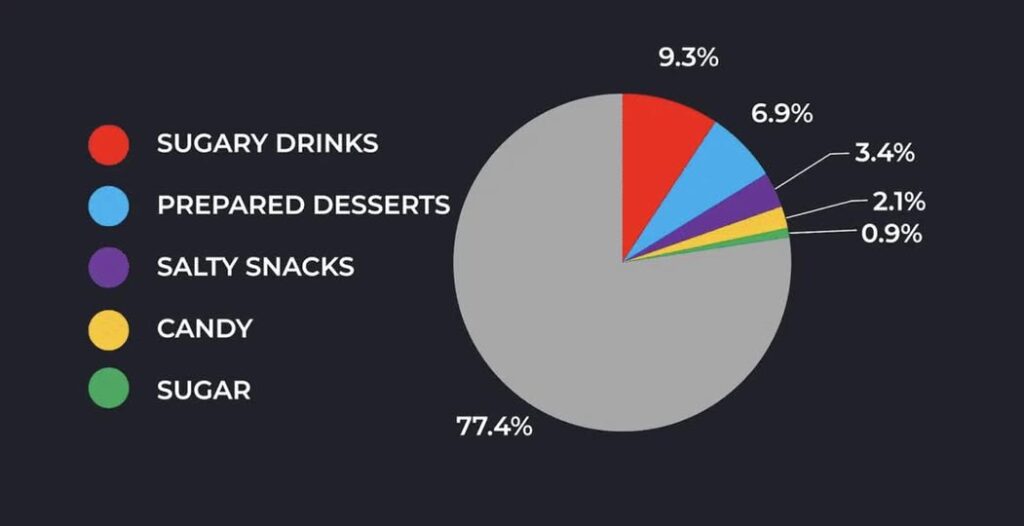
Supporters argue that these items contribute to rising obesity rates and disproportionate health burdens in low-income communities. Public health researcher Dr. Elaine Porter of the University of North Carolina said the waivers could “nudge consumption patterns toward healthier alternatives,” though she emphasized that outcomes depend on broader food system reforms.
Critics argue the policy may be more symbolic than practical. “Restricting soda doesn’t fix the lack of affordable fruits and vegetables,” said Michael Webb, senior analyst at the Center on Budget and Policy Priorities.
Expansion of Work and Activity Requirements
The changes also include increased expectations for able-bodied adults without dependents (ABAWDs). Most states are now requiring:
- Monthly work hours
- Participation in job training
- Community service
- Enrollment in education programs
These requirements reflect updates made at the federal level. However, rural advocates warn that employment opportunities remain limited in remote areas. “Clients want to comply, but transportation and childcare can be major obstacles,” said Karen Lopez, a case manager in Tennessee.
Who Will Be Most Affected?
Urban vs. Rural Communities
Urban residents may experience fewer barriers to compliance due to greater availability of work programs and public transit. Rural households, however, may face higher risk of benefit loss.
Older Adults
Adults nearing the upper age limit of 64 face new pressures to meet eligibility benchmarks, despite challenges in finding stable employment.
Families With Limited Income
Many working-poor households rely on SNAP to close the monthly gap between income and expenses. Retail restrictions may complicate budgeting strategies built around low-cost calorie sources.
College Students
Some states applying the new rules also plan to tighten student eligibility, potentially affecting thousands of low-income learners.
How Retailers Are Preparing for SNAP Rule Changes
Retail compliance requires:
- Updating product codes
- Training cashiers
- Modifying point-of-sale systems
- Managing customer questions and disputes
The National Grocers Association has urged states to coordinate closely with retailers and avoid aggressive rollout deadlines. Some small store owners express concern about technical challenges. “Our systems were not built to differentiate hundreds of products by nutritional profile,” said a Mississippi grocer involved in early consultations.
Larger supermarket chains say the transition is manageable but costly.
Economic Impact: What Analysts Expect
University economists predict that the restrictions may cause:
- A modest decline in purchases of affected items
- A shift toward alternative beverages or snacks not covered by the rules
- Increased administrative costs for states
- Temporary confusion among beneficiaries and retailers
However, long-term impacts remain uncertain. A previous pilot in Maine showed little sustained reduction in sugary drink purchases, according to evaluations conducted by state health officials.
At the federal level, analysts note that SNAP influences billions of dollars in annual food sales. Even small shifts in spending patterns can affect manufacturers and retailers across the supply chain.
How Other Countries Handle Food Assistance Restrictions
International comparisons show varying approaches:
| Country | Program | Purchase Restrictions |
|---|---|---|
| United Kingdom | Healthy Start | Restricted to specific nutritious foods |
| Brazil | Auxílio Brasil | Cash transfer, no food restrictions |
| Singapore | ComCare | Limits apply to prepared foods |
The United States is unusual in allowing near-universal grocery purchases under its food assistance program. The new waivers bring policy closer to models that emphasize nutrition-directed benefits.
Human Stories Behind the Policy
To illustrate the real-world impact, many agencies have shared personal accounts. A SNAP recipient in West Virginia, speaking at a community forum, said: “I understand the health reasons, but sometimes sugary drinks are the cheapest option during a tough week.” Others expressed concern about stigma at checkout counters.
Caseworkers report increased call volumes from clients confused about which foods remain eligible. “We reassure them that most staple items, including bread, milk, grains, and produce, are still fully covered,” said Lopez.
Federal and Public Responses to the New SNAP Restrictions
USDA officials describe the waivers as a “research-driven approach” and emphasize that states must provide regular reports on program outcomes. Congressional lawmakers are divided, with some calling the rules a necessary modernization and others warning of federal overreach.
Policy think tanks also remain split:
- The Heritage Foundation argues the restrictions encourage healthier purchases.
- The Brookings Institution warns the policy may not address underlying market barriers such as food deserts.
Why Some Social Security Recipients Will See Three Payments in December 2025 – Check Details
What Comes Next: Monitoring, Data Collection, and Possible Expansion
States are required to submit quarterly data on:
- Benefit utilization
- Purchase trends
- Compliance rates
- Work requirement outcomes
Federal evaluators will use this data to determine whether the waivers should expand to additional states.
Some governors have already signaled interest in similar restrictions. Meanwhile, legal analysts warn that lawsuits may emerge if beneficiaries claim the rules create unequal treatment or administrative hardship.
Final Paragraph
While early reactions to the updated SNAP rules remain mixed, states and federal agencies acknowledge that long-term success will depend on clear communication, practical implementation, and measurable improvements in household health. More detailed data is expected later this year, offering researchers and lawmakers a clearer picture of whether the waivers deliver the intended benefits for millions of Americans.